
HRV drop before getting sick: what your watch can tell
By Wellhero · Published
A sudden HRV drop cannot tell you whether you are getting sick. Researchers have found changes in watch measurements before some infections were diagnosed, but there is no universal HRV value or percentage drop that identifies a cold, flu or COVID-19.
HRV, or heart rate variability, describes the small differences in time between heartbeats. If your usual reading falls, check the measurement and how you feel before deciding what it means. Symptoms and relevant testing tell you things that a recovery score cannot.
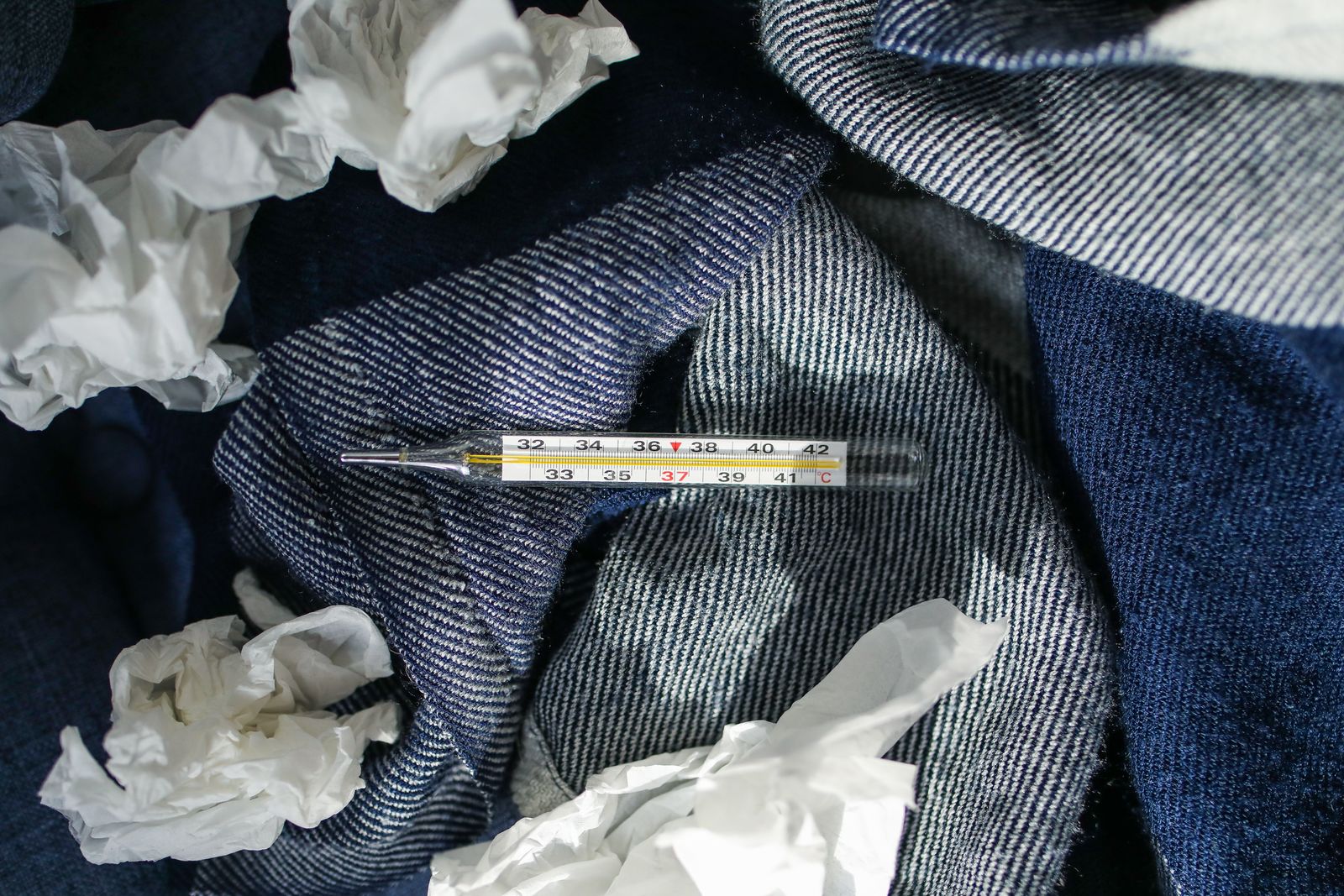
What studies found before diagnosis
A 2021 Apple Watch study followed 297 healthcare workers. Thirteen reported a positive COVID-19 test during follow-up. Researchers found a smaller daily swing in HRV during the week before diagnosis.
The finding concerned how HRV rose and fell across the day. The average estimated by the researchers did not differ significantly between infected and uninfected participants. It does not show that every infection causes a low morning reading or that a watch can warn everyone seven days ahead.
The authors called the findings preliminary. There were few infections, testing was self-reported, and sleep timing was not recorded. A before-diagnosis window also differs from a before-symptoms window.
In a separate 2020 study, researchers analyzed watch records from 32 people with COVID-19. They found changes in heart rate, steps or sleep in 26. The detection methods focused on heart rate and activity, so these results cannot be treated as a test of low HRV. Some participants without reported illness also triggered alerts.
These studies examined patterns over time using research methods. They did not validate the HRV number or red recovery label in an ordinary watch app as a way to diagnose infection.
How much of a drop means you are sick?
The studies above do not establish a cutoff you can apply to your morning reading. A drop from your own usual level may be worth reviewing, but the size of the drop cannot identify the cause.
Different HRV metrics and recording conditions also produce different numbers. Compare the same metric from the same device and a similar time period. An overnight average and a brief daytime sample do not describe the same recording.
Low recovery or high stress scores add another layer: the app interprets the measurements it receives. Two apps can turn the same night into different scores. See why HRV apps show different numbers if you are comparing them.
What to check when HRV drops
- Open the reading behind the score. Check its date and time, the metric name and whether it represents one sample or an average. Make sure today's display is not using an older measurement.
- Compare it with your own recent readings under similar conditions. Check for missing overnight data or a change of watch, app or measurement routine. A gap in the record gives you less information about that period.
- Review the preceding day. A recent workout or alcohol can affect HRV. Note these alongside sleep and any medication changes; the dip itself cannot identify infection.
- Look at how you feel and whether your resting pulse has also changed. Write down any new symptoms and when they began. Several unusual measurements give you more context, but still cannot identify a virus.
If you feel well, a low reading alone is not evidence that you need medicine or an infection test. Base those decisions on symptoms, exposure and current health guidance. Avoid taking repeated measurements until you find a number you prefer; that makes the record harder to compare.
If you want to repeat a questionable sample, use your usual quiet measurement routine and keep the original context in your notes. For the broader question of a low value without symptoms, read low HRV but feel fine.
When symptoms change the next step
A new cough, sore throat, fever or unusual tiredness deserves attention whether HRV is low, normal or high. Follow current respiratory illness guidance and local advice about testing and reducing the spread to others.
If you have symptoms and are at higher risk of severe illness, contact a healthcare professional promptly. Treatments for flu and COVID-19 work best when started early. Do not wait for another watch reading to decide whether to ask for help.
Seek emergency medical care for warning signs such as difficulty breathing, persistent chest pain or pressure, confusion, or difficulty waking. This is not a complete list. A reassuring recovery score does not override these symptoms.
For a medical conversation, keep a brief record of when symptoms started, recent exposures, test results and any temperature measurements. Include the dates of unusual HRV or resting-pulse readings if you have them.
Using Wellhero to review the change
In Wellhero, open Recovery to see the HRV and resting heart rate behind the estimate and compare them with your history. Check which measurements are available before interpreting a change. The Wellhero recovery guide explains where to find these details.
That history can help you describe the change when seeking advice. Wellhero is a wellness app, and its recovery score does not diagnose an infection.
Does a normal reading mean you have recovered?
A return to your usual HRV does not establish that an infection has cleared or that you cannot pass it on. Likewise, a low value does not tell you how long an illness will last. Use symptoms, relevant testing and medical advice for those decisions.
Keep using the same measurement routine as you recover. If symptoms persist, worsen or return, discuss them with a healthcare professional rather than waiting for the app's score to change.