
Low HRV after flying: jet lag, sleep and recovery scores
HRV can be lower after a long trip, and a recovery app may show a lower score. Travel studies have found changes in HRV and the daily rhythm of heart rate, but they do not establish that every flight causes a drop or that everyone recovers on the same schedule.
Check when the reading was taken, which sleep period the app used and how you feel. A watch cannot identify jet lag, dehydration or illness from an HRV value alone.
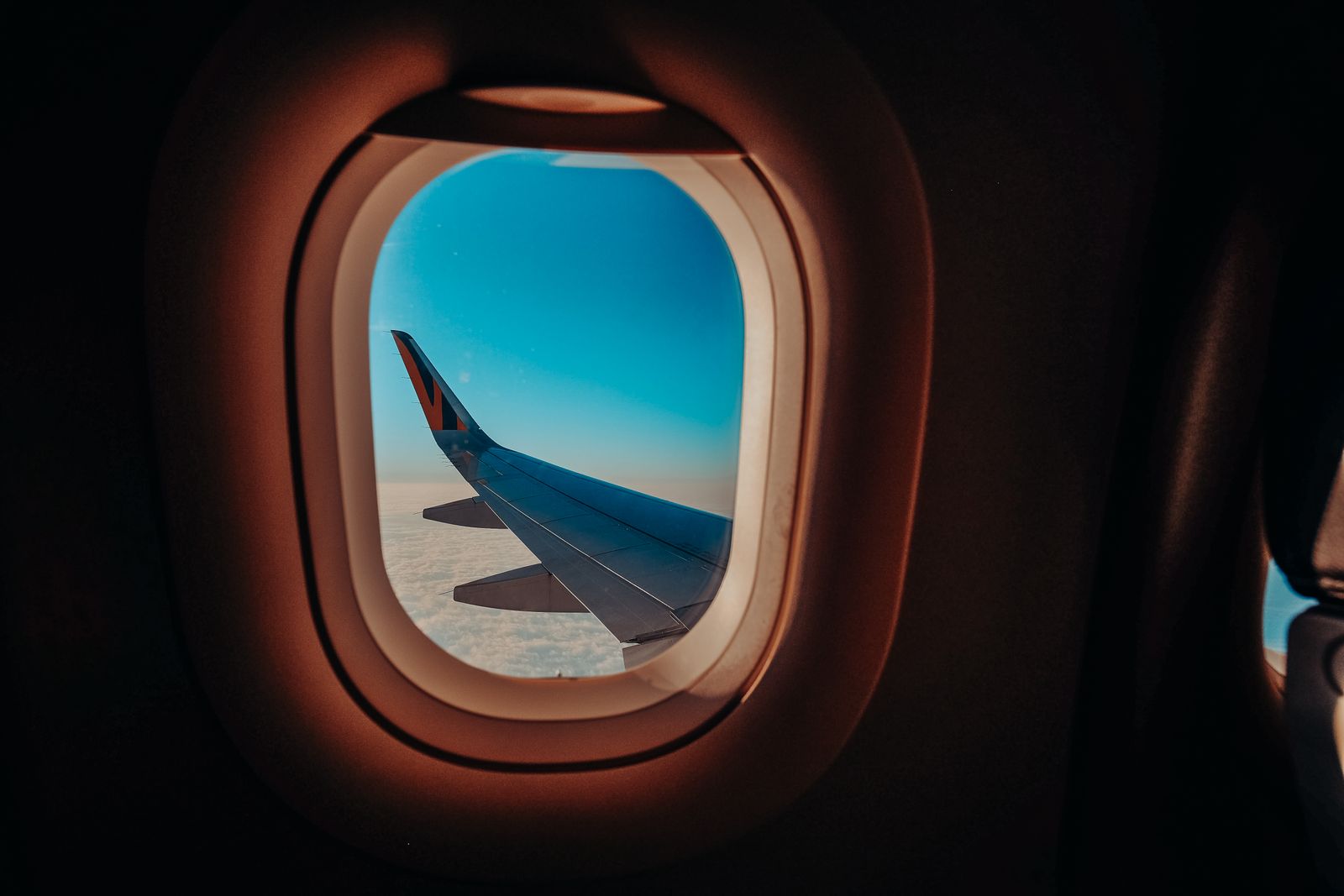
How travel and jet lag affect the comparison
Heart rate variability, or HRV, describes the small changes in time between heartbeats. Your usual reading depends partly on when and how you measure it. A travel day can disrupt that routine: an early departure, sleep in an airplane seat and a new time zone may leave you comparing quite different parts of your day.
Jet lag occurs when rapid travel across time zones puts your body clock out of step with local time. The CDC's jet lag guide describes disturbed sleep, daytime sleepiness and difficulty functioning during the day. Sleep loss during travel can make symptoms worse. Feeling tired after a flight within one time zone does not, by itself, establish jet lag.
After a time-zone change, 8 a.m. at your destination may not be the same point in your body's daily rhythm as 8 a.m. at home. A familiar clock time alone does not make two measurements comparable.
What HRV research has found
In a 2022 study of 12 male rugby sevens players, HRV was lower and less stable during the first week after a long journey to Brazil. The pattern was clearer in nonstarting players than in starters. The trip involved 20 hours of travel and a four-hour time change, within an Olympic preparation program. That setting makes it hard to separate travel from training and other demands, or to apply the result to every passenger.
An earlier study of an eastward flight from Tokyo to San Francisco found changes in the daily timing of heart rate and one HRV measure. Eight of the 12 healthy young men had complete data. This supports taking measurement timing seriously after crossing time zones; it does not predict the size or direction of your Apple Watch reading.
Both studies involved small groups and specific HRV measurements. Neither tested a universal recovery-score threshold or established how many days any traveler needs to recover.
Check your readings after landing
- Open the underlying HRV entries, not just the recovery percentage. In Apple Health, find Heart Rate Variability and use Show All Data to inspect readings. Note the time and the device or app that supplied them.
- Inspect the sleep session behind the report. Did you sleep on the plane, after arrival, or both? Check its start and end times, plus any additional sleep. If a date looks unexpected, inspect the timestamps before assuming that hours are missing.
- Compare the same kind of measurement. An overnight summary and a brief awake reading at the gate answer different questions. For manual readings, keep your posture and resting routine consistent; see why sitting and lying readings differ.
- Write down the journey and how you felt. Include departure and arrival locations, local times and time zones, sleep periods and whether the watch was worn or charging. Note unusual exercise, alcohol or new symptoms. Keep these notes with the readings so you can review the circumstances later.
Apple explains how to inspect Health records and data sources. If Health has the readings but another app does not, check that app's permissions and sync status. Missing data should not be interpreted as a low physiological reading.
If the HRV numbers differ between apps, first check the metric and time window. Our guide to different HRV readings covers those comparisons. Avoid deleting a valid travel-day reading simply because it is lower than your normal range.
How long should you watch the trend?
There is no fixed number of days after which your HRV must return to its preflight level. Look at the next several days together with your sleep and symptoms. Repeated readings under similar conditions are easier to interpret than one measurement taken during the journey.
The CDC recommends planning sleep and light exposure around the trip. Appropriate light timing depends on your route and the time zones crossed. Its guidance also advises staying hydrated and avoiding excess alcohol. Its advice addresses jet lag symptoms, without promising a particular HRV or app score.
If you are deciding how hard to train, include your sleep, symptoms and actual performance in that decision. A low score alone does not establish that you must cancel exercise, and a high score does not override feeling unwell. For that broader question, read low HRV when you feel fine.
If a change persists after your usual routine has settled, or you feel unwell, discuss it with a healthcare professional. Bring the travel timeline, symptoms and actual readings. Seek advice based on your symptoms even if the app shows no alert.
Reviewing recovery in Wellhero
Wellhero shows Recovery alongside the HRV and resting heart rate readings behind it and their history. After travel, open those details and compare them with your sleep and travel notes. The Wellhero recovery guide explains where to find the measurements. The score cannot identify the cause of a post-flight change.
When symptoms need medical attention
After travel, seek immediate medical care for difficulty breathing, chest pain, coughing up blood or fainting. New unexplained swelling, pain or warmth in a leg also needs prompt medical assessment. The CDC lists these as possible signs of travel-related blood clots. They do not establish a diagnosis, but a normal HRV or recovery score cannot rule one out.